
The interwar period was a crucible for modern furniture architecture. On one hand, Paris celebrated the 1925 Exposition Internationale des Arts Décoratifs et Industriels Modernes, showcasing rare exotic woods, shagreen, and lacquered bronze. On the other hand, Walter Gropius and Marcel Breuer at the Bauhaus in Dessau rejected individualist luxury in favor of standardized, mass-producible cantilevered steel and bent plywood.
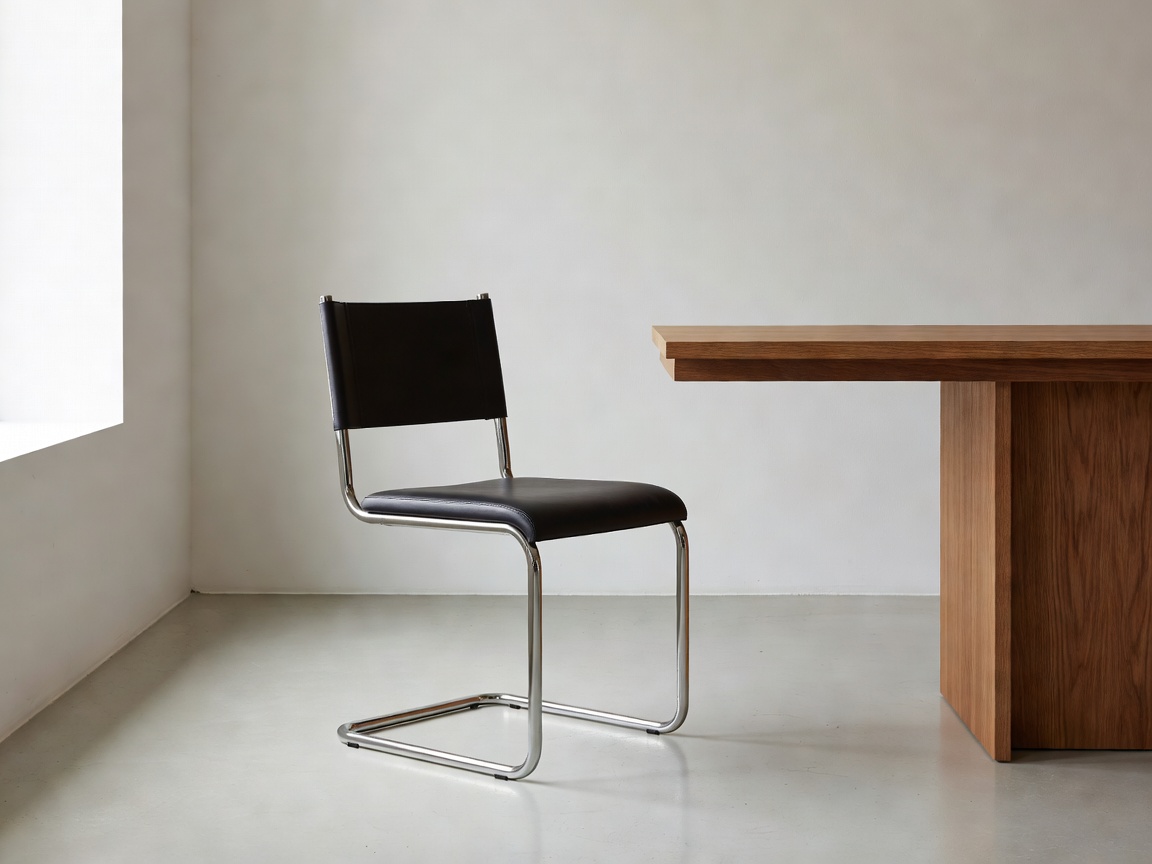
Figure 1: Bauhaus cantilever seating emphasizing industrial tubular steel and geometric balance.
1. The Art Deco Materiality
Art Deco masters like Jacques-Émile Ruhlmann treated furniture as high art. Tables were constructed with Macassar ebony, amboyna burl veneers, and solid ivory inlays. The focus was on symmetry, sleek aerodynamic curves, and hand-rubbed glossy finishes requiring hundreds of workshop hours.
2. The Bauhaus Industrial Imperative
At Bauhaus, form followed function. Breuer's famous Wassily chair was inspired by tubular bicycle handlebars. Joinery was intentionally exposed or replaced with seamless welds. Timber was utilized not for decorative grain figurations, but for its structural rigidity when steam-bent into continuous curves.
3. Conservation Challenges for Modern Collectors
Restoring Art Deco pieces requires specialized veneer matching and shellac pad work, whereas restoring early Bauhaus items frequently involves nickel-plating restoration, leather conditioning, and chrome rust stabilization.