
When an antique oak chest or walnut bureau arrives in a restoration studio, the single greatest error a novice craftsperson can make is aggressively sanding the timber down to raw, white wood fibers. In doing so, they strip away decades—or centuries—of natural chemical transformation known as patina.
"Patina is a silent history recorded in the outer cellulose layers of timber. To sand it off is to erase the soul of the object."
1. The Science of Wood Oxidation
As natural wood is exposed to oxygen and ambient light over decades, the organic polymer lignin inside the wood cell walls undergoes slow photo-oxidation. In dark woods such as American black walnut, UV light causes the deep chocolate brown hues to mellow into a warm honey golden tone. Conversely, lighter timbers like European oak or pine gradually darken into rich ambers and soft bronzes.
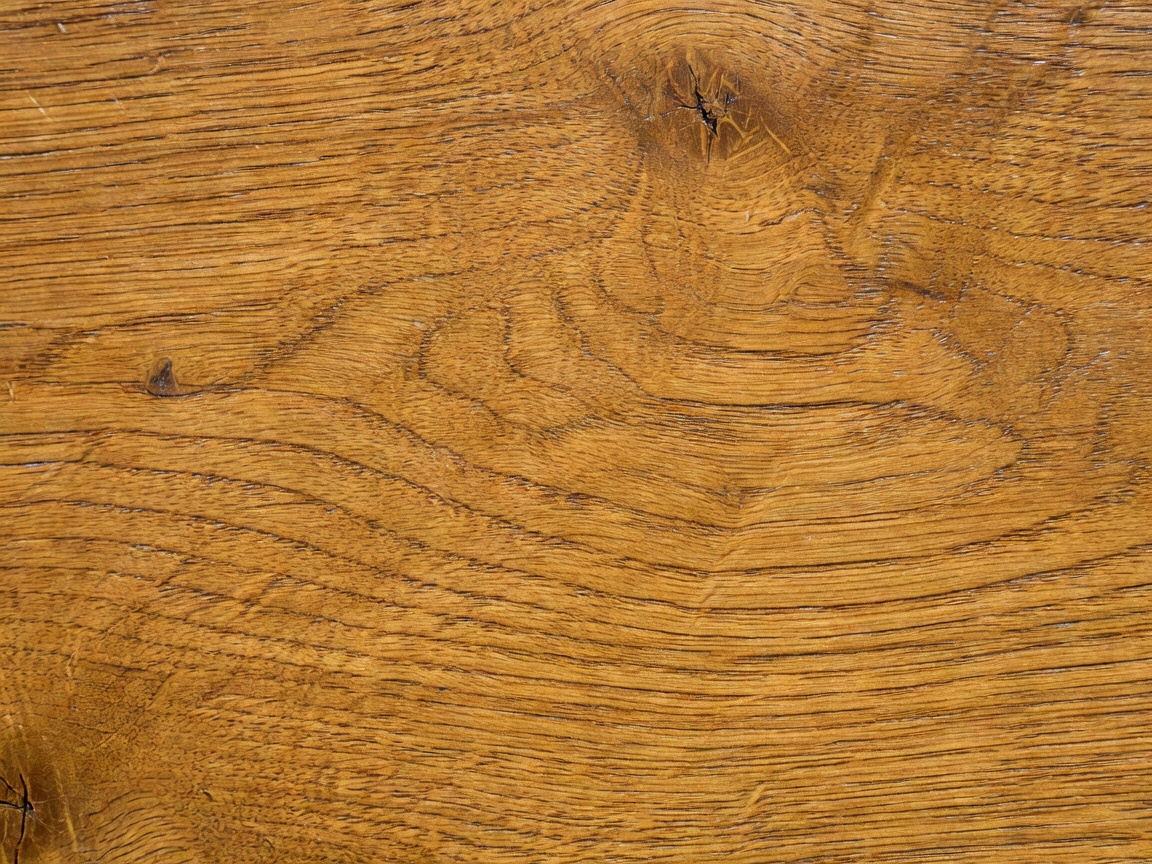
Figure 1: Organic surface gloss built over 80 years of periodic beeswax maintenance.
2. Identifying Synthetic Distress vs. Authentic Age
Modern furniture reproductions often attempt to fake patina using dark pigment glazes, distressing chains, and artificial dark stains in corners. However, true patina exhibits specific key signatures:
- Differential Wear: High-touch areas around drawer pulls or table edges display lighter, smoother wax polish, whereas recessed carved panels retain darker, accumulated wax deposits.
- Depth of Luminosity: Synthetic stains sit flat on the surface. Genuine oxidized patina appears to reflect light from 1-2 millimeters deep within the grain structure.
- Original Tool Marks: Looking closely under raking light reveals original pit-saw marks or hand-plane ridges beneath the gloss layer.
3. How We Preserve Patina in the Atelier
At Reelioreeltonic, our restoration protocol emphasizes non-destructive cleaning using pure turpentine and rectified mineral spirits to lift grime without removing the hardened wax crust. Where re-waxing is needed, we formulate pure yellow beeswax mixed with carnauba and natural earth pigments matching the timber's era.
Study Timber Restoration With Us
Interested in learning the precise chemical recipes for cleaning and protecting vintage wood finishes without ruining collector value?
Explore Masterclass Curriculum